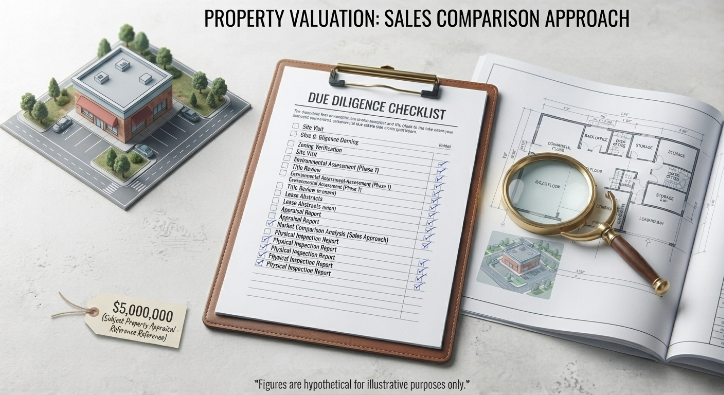
A commercial real estate due diligence checklist is really a way of protecting yourself from finding out the hard way that a property was not what it looked like on paper. Rent rolls can be optimistic. Maintenance records can be thin. A roof that “still has a few good years left” according to the seller might tell a different story once an inspector actually gets on it.
When evaluating a property, I would first separate due diligence into distinct categories, because trying to review everything at once is how important details get missed. Below is a practical, organized checklist built for 2026, when tighter lending standards, evolving environmental disclosure expectations, and more scrutiny on tenant creditworthiness have made thorough review more important than ever.
Financial Due Diligence
This is usually where buyers start, and for good reason. Financial due diligence tells you whether the income the seller is advertising actually holds up.
- Trailing twelve months of operating statements
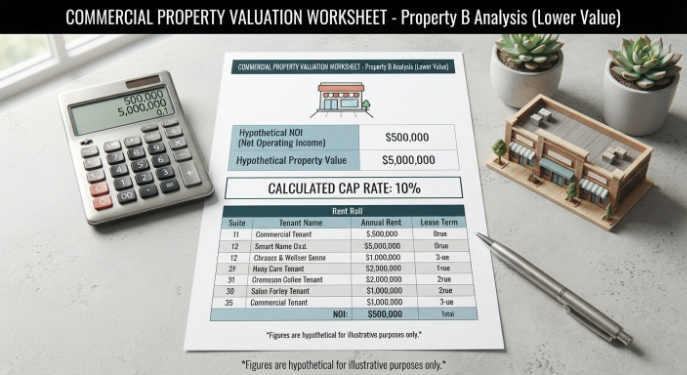
- Current rent roll with unit numbers, lease start and end dates, and rent amounts
- Verification of income against bank deposits or tax returns where possible
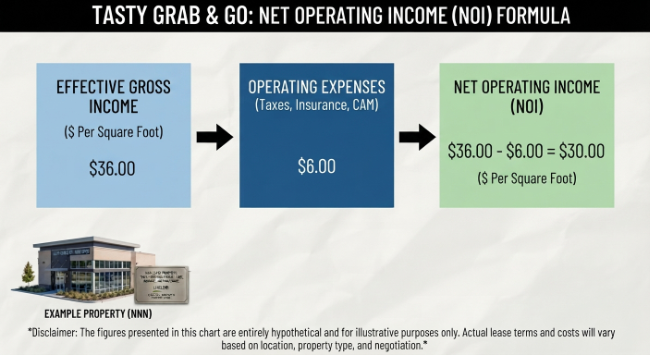
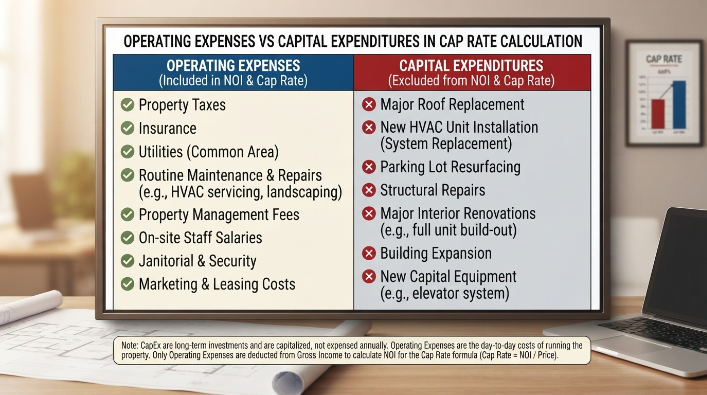
- Historical operating expenses, including utilities, maintenance, and management fees
- Property tax history and any pending reassessment
- Insurance policies, premiums, and claims history
- Existing loan documents, if the buyer is assuming financing
- Capital expenditure history for the past three to five years
Watch for expenses that look unusually low. A property with a suspiciously thin maintenance line item may simply have deferred work that will land on the new owner’s desk shortly after closing.
Physical Due Diligence
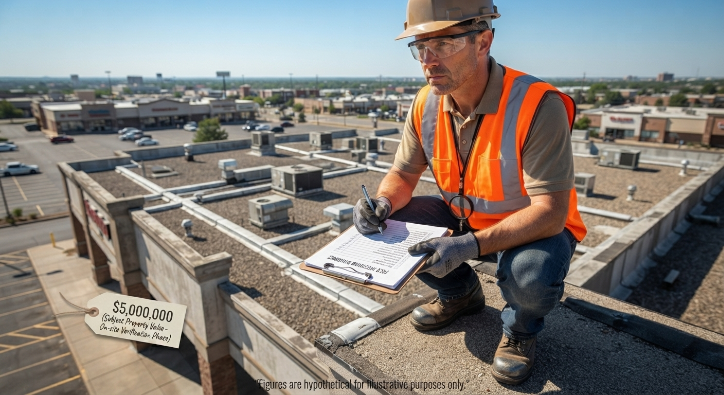
Financial numbers only tell part of the story. A property’s physical condition determines what it will actually cost to own.
- Roof age, condition, and remaining useful life
- HVAC systems, age, and service history
- Plumbing systems and any history of leaks or backups
- Electrical systems and panel capacity
- Structural condition, including foundation issues
- Parking lot and paving condition
- ADA accessibility considerations where applicable
- Any visible signs of water intrusion or mold
A qualified building inspector or engineer should walk the property in person. Photos in a listing rarely reveal what a thermal imaging scan or a look inside the mechanical room will. Also read What Is a Good NOI for Commercial Property?.
Legal and Documentation Due Diligence
This category protects against surprises that show up long after closing.
- Title report and review of any liens or encumbrances
- Current survey confirming property boundaries and easements
- Zoning verification and confirmation of permitted use
- Building permits for any past renovations or additions
- Certificate of occupancy
- Any existing code violations or open enforcement actions
- Pending or past litigation involving the property
- HOA, condo, or association documents if applicable
Tenant and Lease Due Diligence
For income producing property, the quality of the tenants often matters as much as the building itself.
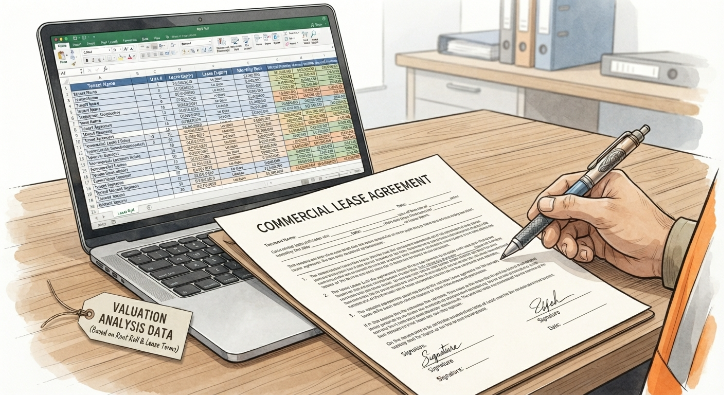
- Full copies of all current leases, not just the rent roll summary
- Lease expiration schedule and renewal options
- Security deposit records
- Tenant payment history, including any history of late payments
- Tenant concentration, meaning how much income depends on one or two tenants
- Any tenant improvement allowances owed
- Estoppel certificates confirming lease terms directly with tenants
Market Due Diligence
Even a well maintained, fully leased property can be a weak investment if the surrounding market is softening.
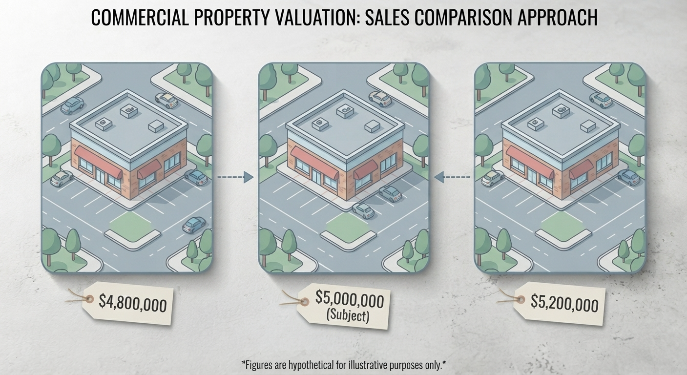
- Comparable property sales in the immediate area
- Current vacancy trends for the property type
- New supply under construction nearby
- Local employment and demographic trends
- Comparable asking rents
Environmental and Regulatory Due Diligence
Environmental issues are among the most expensive surprises in commercial real estate, which is why they deserve their own dedicated review rather than being folded into the physical inspection.
- Phase I Environmental Site Assessment, and Phase II if warranted
- History of prior site use, especially for industrial or automotive properties
- Underground storage tank records
- Asbestos or lead paint disclosures for older buildings
- Flood zone determination
- Any known contamination on adjacent properties
The U.S. Environmental Protection Agency publishes guidance on environmental site assessments that can help buyers understand what a Phase I review typically covers.
Service Contracts and Deferred Maintenance
- Existing vendor and service contracts (landscaping, elevator maintenance, pest control)
- Whether contracts are assignable or need to be renegotiated
- Documented deferred maintenance items and estimated costs
- Any planned capital projects the current owner has already budgeted
Financing Considerations
- Lender requirements for appraisal, environmental review, and insurance
- Loan assumability, if applicable
- Debt service coverage ratio based on verified income
- Reserve requirements the lender may impose
The 2026 Due Diligence Checklist at a Glance
| Category | Key Focus |
| Financial | Verified income, expenses, taxes, insurance |
| Physical | Roof, HVAC, plumbing, electrical, structure |
| Legal | Title, survey, zoning, permits, litigation |
| Tenant and Lease | Lease terms, tenant quality, estoppels |
| Market | Comparable sales, vacancy, new supply |
| Environmental | Phase I/II assessments, contamination history |
Real World Example
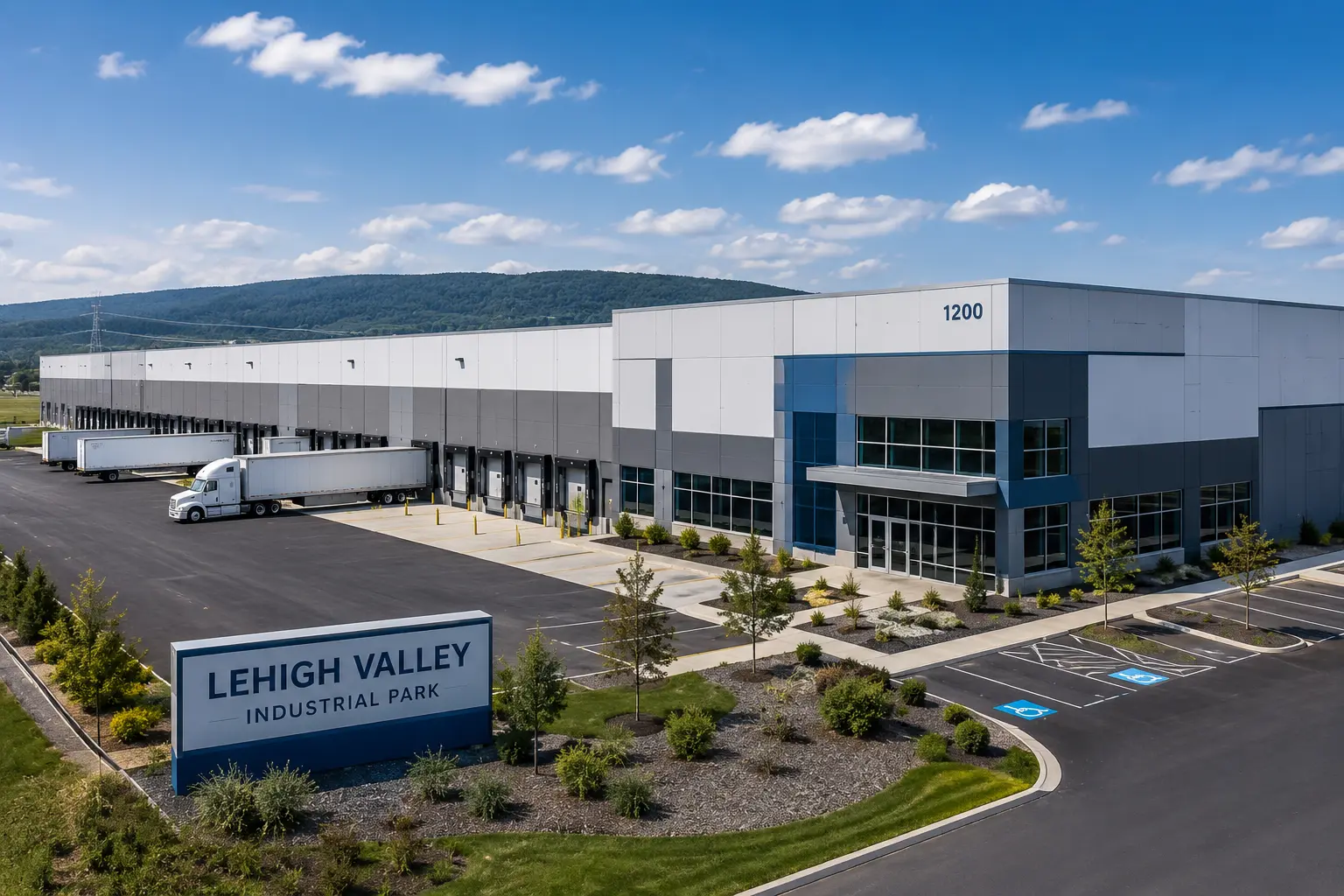
Consider a hypothetical buyer, James, evaluating a small industrial warehouse. The rent roll looked strong, and the seller described the roof as recently repaired. During physical due diligence, the inspector found that the “repair” was a patch job covering roughly 15 percent of the roof, with the remainder nearing the end of its usable life. That single finding, uncovered through a proper due diligence process rather than taken at face value, gave James leverage to renegotiate price before closing.
FAQ
What is included in a commercial real estate due diligence checklist? It typically covers financial records, physical condition, legal and title documents, tenant and lease review, market conditions, and environmental assessments.
How long does commercial due diligence usually take? Timelines vary by property type and complexity, but 30 to 60 days is common for straightforward properties, longer for larger or more complex assets.
Do I need a Phase I environmental assessment for every property? Many lenders require one, and it is a prudent step even when not required, particularly for industrial, automotive, or older commercial properties.
What is an estoppel certificate and why does it matter? It is a document signed by a tenant confirming the actual terms of their lease, which helps verify that the rent roll matches what tenants themselves report.
Is a due diligence checklist legally sufficient on its own? No single checklist is complete for every jurisdiction or property type. It should guide the process, not replace review by qualified legal, financial, engineering, and environmental professionals.
What is the biggest due diligence mistake buyers make? Relying entirely on seller provided documents without independent verification, particularly around income, expenses, and physical condition.
How does due diligence differ for a small property versus a large commercial asset? The categories stay largely the same, but larger or more complex properties usually require more specialized professionals, deeper environmental review, and more detailed lease analysis.
Conclusion
A thorough commercial real estate due diligence checklist will not eliminate every risk of buying a property, but it will make sure you are making an informed decision rather than an optimistic one. Work through the financial, physical, legal, tenant, market, and environmental categories methodically, bring in qualified professionals where the stakes justify it, and treat this 2026 checklist as a starting framework you adapt to your specific property and jurisdiction rather than a rigid script.