Author: mazhanfu

  • Commercial Tenant Improvement Allowance Guide: Owner and Tenant Perspectives

    Commercial Tenant Improvement Allowance Guide: Owner and Tenant Perspectives

    If you’ve gotten far enough into lease negotiations to hear the term “TI allowance” thrown around, you already know it matters. What’s less clear, usually on both sides of the table, is exactly what it covers, who’s exposed if costs run over, and what happens to money that never gets spent.

    This commercial tenant improvement allowance guide walks through the mechanics in plain English, from both the owner’s side and the tenant’s side, since the two parties are frequently protecting different things in the same negotiation.

    What a Tenant Improvement Allowance Actually Is

    A tenant improvement allowance (TI allowance, or TIA) is a sum of money a landlord agrees to contribute toward the cost of building out or renovating a leased commercial space to suit the tenant’s needs.

    It’s typically expressed as a dollar amount per rentable square foot, negotiated as part of the lease, and paid out either as reimbursement after work is completed or, less commonly, in draws tied to construction milestones. Also read How to Reduce Commercial Property Operating Expenses Without Cutting Corners.

    The allowance exists because commercial space is rarely move in ready for a specific tenant’s business. Raw or previously occupied space usually needs walls reconfigured, flooring changed, lighting adjusted, or systems upgraded before a new tenant can operate.

    Rather than the landlord building out the space to guess at what a future tenant might want, the allowance lets the tenant drive that process within an agreed budget.

    How TI Allowances Typically Work

     Diagram showing how a tenant improvement allowance is calculated per square foot.

    The tenant (often with an architect or contractor) develops a build out plan and budget. The landlord reviews and approves the plan, since the improvements usually become the landlord’s property at lease end.

    Construction proceeds, and the landlord reimburses costs up to the agreed allowance, typically after receiving paid invoices, lien waivers and other documentation. Anything above the allowance is the tenant’s responsibility, unless the lease specifies otherwise.

    What the Allowance Usually Covers, and What It Doesn’t

    Typically covered:

    • Construction labor and materials for walls, flooring, ceilings
    • Electrical, plumbing and HVAC modifications tied to the space
    • Architectural and design fees related to the build out
    • Permit fees
    • Project management fees where specified in the lease

    Typically not covered:

    • Furniture, fixtures and equipment (FF&E) not permanently attached to the space
    • Signage, unless separately negotiated
    • Specialized equipment specific to the tenant’s business
    • Moving costs
    • Costs from delays caused by the tenant’s own decision changes

    These categories vary by lease, and the only way to know what’s included in a specific deal is to read the work letter (the section of the lease, or an attached exhibit, defining the scope of improvements and each party’s obligations) closely, ideally with a professional who reviews commercial leases regularly.

    A Hypothetical TI Allowance Calculation

    Consider a hypothetical tenant leasing 3,500 square feet of office space, with a landlord offering a $35 per square foot TI allowance.

    Item Calculation Amount
    TI allowance $35 x 3,500 sq ft $122,500
    Estimated actual build out cost Contractor bid $148,000
    Tenant’s out of pocket gap $148,000 minus $122,500 $25,500

    In this hypothetical scenario, the tenant would need to either fund the $25,500 gap directly, negotiate design changes to bring costs down, or push for a higher allowance during lease negotiations before signing. This example uses illustrative figures only and does not represent actual current market rates, which vary significantly by region, property class and space condition.

    Owner Perspective

    For a landlord, a TI allowance is a capital investment in the property, since most improvements remain after the tenant leaves. Owners are typically protecting:

    • Long term asset value: approving improvements that will appeal to future tenants too, not just the current one
    • Budget certainty: capping exposure at an agreed per square foot amount, regardless of what the tenant’s actual project ends up costing
    • Construction quality and compliance: requiring licensed contractors, permits and standard documentation to avoid future liability
    • Cash flow timing: structuring reimbursement after work is verified, rather than paying upfront

    Landlords often amortize the TI allowance into the rental rate over the lease term rather than paying it as a lump sum, which effectively means the tenant is financing part of the build out through slightly higher rent.

    Owners should also be aware of how leasehold improvements are treated for depreciation purposes, since the IRS’s guidance on depreciating property outlines how nonresidential real property and related improvements are recovered over time, which is a matter for the property’s accountant, not something to assume applies uniformly across every situation.

    Tenant Perspective

    For a tenant, the TI allowance is the primary lever for controlling upfront occupancy costs. Tenants are typically protecting:

    • Adequate funding: making sure the allowance realistically covers the intended build out, not just a portion of it
    • Control over the process: negotiating the right to select or approve their own contractor rather than being locked into a landlord’s preferred vendor
    • Clear treatment of unused funds: whether leftover allowance can be applied to rent, refunded, or is simply forfeited
    • Protection from delay costs: making sure landlord approval delays don’t shift rent commencement earlier than the space is actually usable

    As one law firm summarizing lease negotiation priorities notes, <cite index=”39-1″>an improvement allowance is designed to cover the cost of improvements a tenant makes that will remain the landlord’s property after the lease expires</cite>, which is exactly why tenants should budget conservatively rather than assuming the allowance will stretch to cover every planned upgrade.

    When Project Costs Exceed the Allowance

    Overages are common, particularly in markets with elevated construction costs. Leases typically handle this in one of a few ways: the tenant pays the difference directly, the landlord offers a loan against future rent (sometimes called an “over allowance” or amortized separately), or the scope of work is reduced to fit the existing budget. Whichever approach applies should be specified in the lease before construction begins, not negotiated mid project.

    Change Orders, Approvals and Documentation

    Illustration of a landlord and tenant negotiating a tenant improvement allowance.

    Change orders (modifications to the original approved scope of work) are one of the most common sources of TI disputes. A well structured lease requires written approval for any change order above a set dollar threshold, clear documentation of how change orders affect the allowance or timeline, and a defined approval process (who signs off, and how quickly) so construction isn’t stalled waiting on landlord response. Keeping thorough documentation, contractor invoices, lien waivers, permit records and correspondence, protects both parties if a dispute arises later.

    Common TI Allowance Mistakes

    • Assuming a quoted allowance will cover a full build out without getting a contractor estimate first
    • Not clarifying what happens to unused allowance funds before signing
    • Skipping a detailed work letter and relying on informal verbal understanding
    • Underestimating how long landlord approval and permitting will add to the project timeline
    • Failing to confirm who owns the improvements, and any removal obligations, at lease end

    Owner Perspective vs Tenant Perspective at a Glance

    Consideration Owner’s Priority Tenant’s Priority
    Budget Cap total exposure Secure adequate funding
    Timeline Verify compliant, quality work Avoid delay related rent exposure
    Contractor selection Maintain quality and consistency Retain choice and cost control
    Unused funds Retain if not spent Apply to rent or receive credit
    Documentation Protect against future liability Support reimbursement claims

    A Note on Legal and Jurisdictional Variation

    Lease law, required disclosures, and how improvements are treated for tax and depreciation purposes vary by state, county and sometimes city. Nothing in this guide should be treated as legal or tax advice specific to any lease. Both owners and tenants should have the actual lease language reviewed by a qualified real estate attorney or accountant before signing, particularly for the TI allowance and work letter sections, since these clauses tend to carry the most financial exposure in the entire lease.

    Conclusion

    A commercial tenant improvement allowance guide is only useful if it helps you ask better questions before signing, not just after a dispute starts. Owners are protecting long term asset value and budget certainty. Tenants are protecting adequate funding and control over their own space.

    Both goals are legitimate, and most TI conflicts trace back to vague documentation rather than bad intentions. Get a realistic contractor estimate before relying on a quoted allowance, put every detail of the work letter in writing, and have the lease reviewed by a professional who handles commercial build outs regularly.

    FAQs

    What is a good TI allowance per square foot? There’s no universal figure. Amounts vary significantly by property type, market, lease term and tenant creditworthiness, so the right benchmark is comparable recent deals in your specific market, not a general rule.

    Who pays if the build out costs more than the TI allowance? Typically the tenant, unless the lease specifies a different arrangement, such as a landlord loan against future rent or a negotiated increase in the allowance.

    Can unused TI allowance funds be applied to rent? Sometimes, if the lease specifically allows it. Many leases simply forfeit unused funds back to the landlord, so this should be negotiated and documented before signing.

    Does a tenant improvement allowance count as taxable income? Tax treatment depends on how the allowance is structured and used, and can differ for the landlord and tenant. This is a question for a qualified tax professional familiar with the specific lease structure.

    What is a work letter in a commercial lease? It’s the section of the lease, or an attached exhibit, that defines the scope of tenant improvements, the allowance amount, approval processes and each party’s responsibilities during construction.

    How long does a typical tenant improvement build out take? Timelines vary widely by scope and permitting requirements, but simple office build outs often take a few months, while more complex retail or restaurant build outs can take considerably longer.

    Is a tenant improvement allowance the same as a landlord’s work letter? Not exactly. The TI allowance is the dollar figure. The work letter is the broader legal document defining scope, process and responsibilities, of which the allowance is one part.

  • Signs You Need a Commercial Property Manager (And When You Don’t)

    Signs You Need a Commercial Property Manager (And When You Don’t)

    Most owners who search for signs you need a commercial property manager already suspect the answer. They’re looking for confirmation, or for a way to think about the decision that isn’t just “hire someone” or “keep doing it yourself.” This isn’t a scare tactic list. It’s a practical way to separate normal ownership friction from the kind of strain that’s actually costing you money, time or tenants.

    Self managing a commercial property works fine for a lot of owners, particularly with a single, stable, well leased asset. The signs below aren’t a verdict. They’re diagnostic.

    Each one points to a specific underlying problem, and understanding that problem is what tells you whether professional management would actually fix it. Also read How to Reduce Commercial Property Operating Expenses Without Cutting Corners.

    The Signs, and What’s Really Behind Them

    Self assessment framework comparing self management and professional commercial property management.

    Property issues are consuming too much of your time. This is usually the first sign owners notice, and the least specific. The real question isn’t how many hours you’re spending, it’s what those hours are displacing. If property tasks are cutting into time you’d otherwise spend growing your business or managing your portfolio, the cost isn’t just your time, it’s the opportunity cost of what that time could have produced elsewhere.

    Maintenance requests are becoming difficult to manage. This usually isn’t a volume problem, it’s a systems problem. Owners without a formal work order process end up managing repairs by memory and text message, which is where things get missed, duplicated or delayed.

    Tenant communication is becoming overwhelming. A handful of tenants is manageable informally. Beyond that, informal communication (calls, texts, hallway conversations) stops scaling, and tenants start feeling like their concerns aren’t being tracked or taken seriously, even when they are.

    Rent collection is inconsistent. This is less about a few late payments and more about whether there’s a consistent, enforced process. Inconsistent enforcement, even unintentional, creates fairness problems between tenants and makes it harder to address genuine payment issues early.

    Lease renewals are being missed or handled reactively. Missing renewal windows is one of the more expensive signs on this list, because a lapsed option or a renewal negotiated under time pressure almost always produces worse terms than one planned six to twelve months out.

    Vendor management is becoming difficult. If you’re fielding calls from three different contractors, comparing invoices manually, and don’t have a clear system for vetting new vendors, this is a scheduling and oversight gap, not a workload problem you can simply push through.

    Operating expenses are increasing without a clear explanation. This usually signals that expenses aren’t being tracked and reviewed on a regular cadence, which means increases go unnoticed until they show up in year end numbers.

    Property inspections aren’t happening consistently. Skipped inspections are rarely intentional. They happen because there’s no calendar forcing them. The risk is that small issues (roof wear, HVAC inefficiency, safety hazards) go undetected until they become expensive.

    Compliance responsibilities are becoming difficult to track. Fire code, ADA requirements, local licensing and insurance renewals all carry deadlines. Missing them can create liability exposure that far exceeds any management fee.

    Tenant disputes are increasing. Disputes tend to escalate faster without a neutral, consistent point of contact enforcing lease terms. An owner handling disputes personally is also more exposed to disputes becoming personal.

    Vacancies are lasting longer than expected. This often reflects limited marketing reach, slower response times to prospective tenants, or unfamiliarity with current local leasing terms, rather than a weak market.

    Financial reporting is unclear. If you can’t quickly answer what a specific property earned last quarter after expenses, decision making (refinancing, budgeting, selling) becomes guesswork.

    Multiple properties are becoming difficult to coordinate. Each additional property multiplies the coordination burden, not just the workload. This is one of the clearest and most common triggers for hiring management.

    Emergency issues are disrupting your schedule. A flooded unit or HVAC failure at 11pm shouldn’t require the owner personally, but often does without a management structure in place.

    You lack local market knowledge for the property’s area. This matters most for owners managing property outside their immediate region, where local vendor networks, market rents and code requirements are genuinely harder to track.

    Property improvements are being delayed. Improvements often get pushed back not from lack of budget, but from lack of bandwidth to plan, bid and oversee the work.

    Preventive maintenance is being neglected. This is frequently the quiet cost of every other sign on this list. When time is scarce, preventive work is the first thing to slip, and the most expensive thing to have slipped.

    When Self Management Still Makes Sense

    Self management remains a reasonable choice when:

    • You own a single property, or a small number of properties in one geographic area
    • The lease structure is simple (single tenant, long term net lease, minimal turnover)
    • You genuinely have the time and interest to handle tenant relations and vendor coordination
    • You have existing local vendor relationships you trust
    • The property’s income doesn’t yet support a management fee without meaningfully affecting returns

    When Professional Management Becomes Worth the Cost

    Professional management tends to pay for itself when:

    • You have multiple properties or tenants and coordination has become the bottleneck
    • Vacancy time or missed renewals have already cost more than a management fee would
    • You’re managing property remotely or outside your local market
    • Compliance, reporting or maintenance tracking has become inconsistent
    • Your time is better spent on acquisitions, financing or your primary business

    A Self Assessment Framework

    Factor Leans Toward Self Management Leans Toward Professional Management
    Number of properties 1, in your local area 2 or more, or spread across regions
    Tenant count Few, long term tenants Many tenants or high turnover
    Owner time available Several hours weekly, willingly Limited or inconsistent
    Maintenance complexity Simple, low frequency Frequent, or aging building systems
    Financial reporting needs Basic Needed for lenders, partners or investors
    Local market knowledge Strong Limited

    Score your property honestly against each row. A property that lands mostly in the right column across several factors is a stronger candidate for professional management, even if no single factor alone would justify it.

    Weighing Owner Time Against Management Cost

    Vacant commercial property storefront illustrating extended vacancy as a management challenge.

    A rough but useful exercise: estimate the hours you personally spend monthly on property related tasks, multiply by what your time is realistically worth (your hourly rate in your primary work, or what you’d pay someone to do it), and compare that figure to a typical management fee for a property of your size and type, as discussed in standards published by real estate management professional organizations like the Institute of Real Estate Management. For many owners with more than one property or a demanding primary job, the math favors hiring management well before it feels obvious.

    Conclusion

    The real signs you need a commercial property manager rarely show up as one dramatic event. They show up as a slow accumulation of missed renewals, inconsistent maintenance and stretched attention, each one small enough to excuse on its own.

    The self assessment framework above is meant to make that pattern visible before it turns into a lost tenant or a costly repair. If most of your answers land on the professional management side, it’s worth getting an actual proposal and comparing real numbers, rather than continuing to absorb the cost of your own time indefinitely.

    FAQs

    What are the clearest signs you need a commercial property manager? Missed lease renewals, inconsistent rent collection, and neglected preventive maintenance are typically the signs with the highest financial cost, and the clearest signal that a system, not just time, is missing.

    Can I self manage a commercial property with multiple tenants? Yes, particularly with fewer than five to ten tenants and a reliable system for communication and maintenance tracking, though the coordination burden grows faster than the tenant count.

    How do I know if hiring a property manager is worth the fee? Compare the realistic cost of your own time spent on property tasks, plus any costs from missed renewals or delayed maintenance, against a typical management fee for your property type and size.

    Is self managing a commercial property always cheaper? Not necessarily. Self management avoids a direct fee but can carry hidden costs through longer vacancies, missed compliance deadlines or deferred maintenance that a dedicated manager would likely catch earlier.

    What size commercial property typically needs a manager? There’s no fixed square footage threshold. The decision depends more on tenant count, geographic spread and owner availability than on property size alone.

    Do I need a property manager if I only own one commercial building? Not necessarily. A single, simple, well leased property with an involved and available owner is one of the strongest cases for continuing to self manage.

  • Commercial Property Management Fees Explained: A Neutral Owner’s Guide

    Commercial Property Management Fees Explained: A Neutral Owner’s Guide

    If you’ve requested a few proposals from commercial property management companies, you’ve probably noticed the quoted fee percentages look similar, and the actual dollar amounts don’t. That’s the part most articles skip.

    Commercial property management fees explained in isolation, without the additional charges layered underneath, tell you almost nothing about what a property will actually cost to manage in a given year.

    This guide breaks down how these fees are structured, what typically sits outside the headline number, and how to compare two proposals that look completely different on paper but might represent similar total costs, or very different ones.

    What a Commercial Property Management Fee Actually Covers

    At its core, a management fee compensates the management company for the day to day operation of the property: rent collection, tenant communication, vendor coordination, financial reporting and general oversight. What varies enormously is how much beyond that baseline is included versus billed separately.

    There is no single universal percentage that applies across the industry. Fees vary by property type, size, market, tenant mix, lease complexity and the scope of services requested. Also read How to Screen Commercial Tenants: A Landlord’s Step by Step Framework.

    A single tenant industrial building with a long term triple net lease requires far less hands on management than a 40 tenant retail strip center with monthly rent variances and constant maintenance requests, and the fee structures usually reflect that.

    Common Fee Structures

    Commercial property management fee comparison chart showing two hypothetical proposals.

    Percentage based fees. The most common structure, typically calculated as a percentage of collected rent (not billed rent), ranging roughly from 3 to 10 percent depending on property type and size. Larger, simpler properties tend to sit at the lower end. Smaller or higher turnover properties tend to sit higher.

    Flat fees. A fixed monthly or annual dollar amount, more common on properties with predictable, stable income, such as single tenant net leased assets. Flat fees offer cost certainty but can be less proportional if the property’s income or complexity changes.

    Minimum monthly fees. Often layered under a percentage structure to guarantee the management company a baseline payment, particularly relevant for properties with low occupancy or below market rents where a pure percentage fee would be too small to justify the workload.

    Additional Fees Beyond the Base Management Fee

    This is where owners get surprised. A quoted base fee rarely represents the full cost of management. Common additional charges include:

    Fee Type What It Typically Covers Typical Basis
    Leasing or tenant placement fee Marketing, showings, lease negotiation for new tenants One time, often a percentage of first year rent
    Renewal fee Processing and negotiating lease renewals One time, smaller than a new leasing fee
    Maintenance coordination fee Markup or flat charge for overseeing repair work Percentage of repair cost or flat fee
    Construction management fee Overseeing tenant improvements or capital projects Percentage of project cost, often 5 to 15%
    Accounting or bookkeeping fee Monthly financial statements, reporting Flat monthly fee
    Inspection fee Scheduled property walkthroughs Flat fee per inspection
    After hours or emergency fee Off hours maintenance response Flat fee or hourly rate
    Administrative fee Postage, software, general overhead Flat monthly fee

    None of these are inherently unreasonable. The issue is transparency. A proposal quoting a 4 percent base fee with substantial additional charges can end up costing more annually than a proposal quoting 7 percent with fewer add-ons.

    Base Fee, Pass Through Expenses and Vendor Costs

    It helps to separate three things that owners frequently lump together:

    1. Base management fee: what the management company earns for its own services.
    2. Pass through expenses: costs the property incurs regardless of who manages it (utilities, repairs, insurance, landscaping), simply routed through the management company’s accounting.
    3. Vendor costs and one time charges: repair invoices, construction costs, or emergency work, which are the underlying cost of the work itself, separate from any coordination fee layered on top.

    Confusing these categories is the most common reason owners feel blindsided by a “management bill” that looks much higher than the quoted fee percentage.

    A Hypothetical Management Cost Example

    Take a hypothetical 25,000 square foot retail center generating $480,000 in annual collected rent, with a management proposal quoting a 5 percent base fee.

    Line Item Estimated Annual Cost
    Base management fee (5% of $480,000) $24,000
    Leasing fee (2 new leases this year, est.) $9,600
    Accounting and reporting fee $3,600
    Inspection fees (monthly) $2,400
    Maintenance coordination markup $4,200
    Total estimated annual management cost $43,800

    That total represents roughly 9.1 percent of collected rent, nearly double the quoted 5 percent headline figure. This is a hypothetical example built to illustrate how additional charges compound, not a prediction of any specific proposal’s real cost.

    Questions to Ask Before Signing a Management Agreement

     Property owner and commercial property manager reviewing a management fee proposal.

    • Is the fee calculated on collected rent or billed rent?
    • What services are included in the base fee, and what triggers an additional charge?
    • Is there a minimum monthly fee, and how is it calculated if occupancy drops?
    • What is the leasing commission structure for new tenants versus renewals?
    • Is there a markup on maintenance and repair invoices, and if so, what percentage?
    • What is the termination clause, and is there a penalty for ending the agreement early?
    • How often are financial reports provided, and what do they include?

    How to Compare Two Management Proposals Fairly

    Comparing headline percentages alone is close to meaningless. A more useful approach is to build out a projected annual cost for each proposal using your property’s actual rent roll, expected leasing activity and maintenance volume, similar to the hypothetical table above.

    This turns two abstract percentages into two comparable dollar figures, which is the only way to evaluate value rather than price alone. Professional standards published by organizations like the Institute of Real Estate Management, which represents property and asset management professionals internationally, can also be a useful reference point for understanding what a well run management scope of services typically includes.

    Deciding Whether a Fee Represents Reasonable Value

    A management fee earns its cost when it demonstrably reduces vacancy, keeps maintenance issues from escalating, and produces clean, timely financial reporting that supports lending, refinancing or sale decisions.

    It’s reasonable to ask a management company for references, sample financial reports and specifics on how they’ve reduced costs or improved occupancy at comparable properties, rather than evaluating the relationship on fee percentage alone.

    Conclusion

    Understanding commercial property management fees explained clearly means looking past the quoted percentage and building out what a proposal actually costs across a full year, including leasing fees, coordination charges and pass through expenses.

    The most useful comparison an owner can make isn’t between two percentages, it’s between two realistic annual cost projections based on the property’s actual rent roll and expected activity. That’s the only version of the comparison that tells you what you’re really paying for.

    FAQs

    What is a normal commercial property management fee percentage? There is no single normal rate. Fees commonly range from about 3 to 10 percent of collected rent depending on property type, size, market and services included, so the range itself matters more than any single number.

    Are commercial property management fees negotiable? Often, yes, particularly for larger properties or portfolios. Smaller or high turnover properties give the management company less room to negotiate, since the workload per dollar collected is higher.

    What is the difference between a leasing fee and a management fee? A management fee covers ongoing operations. A leasing fee is a separate, typically one time charge for finding and placing a new tenant, distinct from the recurring management relationship.

    Do management fees include maintenance and repair costs? No. The management fee compensates the company for coordinating repairs. The repair cost itself is a separate, pass through expense billed to the property.

    Why did my total management bill end up higher than the quoted percentage? This usually happens when additional charges (leasing fees, inspection fees, construction management fees) are layered on top of the base percentage and not clearly disclosed upfront.

    Should I choose the management company with the lowest fee? Not automatically. A lower base percentage paired with aggressive add-on fees can cost more overall than a higher, more inclusive percentage. Comparing total projected annual cost is more reliable than comparing headline rates.

  • How to Reduce Commercial Property Operating Expenses Without Cutting Corners

    How to Reduce Commercial Property Operating Expenses Without Cutting Corners

    Most guides on how to reduce commercial property operating expenses tell you to “negotiate your contracts” and “use less energy,” then stop there. That advice isn’t wrong, it’s just useless without the line item detail behind it. Owners don’t need a slogan. They need to know which expense categories actually move the needle, which ones are safe to trim quickly, and which ones will cost far more later if handled carelessly.

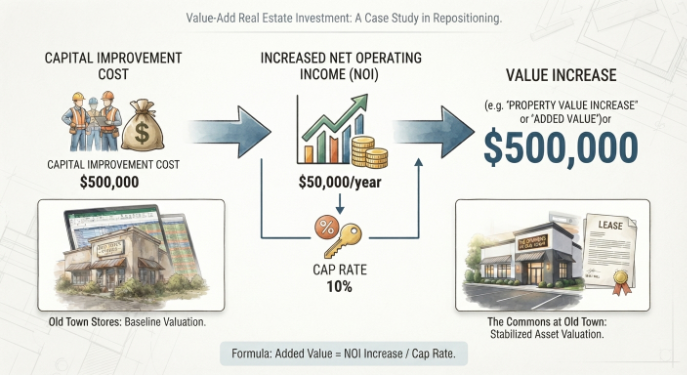
    Operating expenses typically run between 30 and 45 percent of gross rental income on a commercial property, depending on asset type, age and lease structure. That means even modest, well targeted reductions can meaningfully improve net operating income (NOI) without touching rent. The formula is simple: NOI equals operating income minus operating expenses. The execution is where most owners struggle.

    A Sample Operating Expense Breakdown

    Every property is different, but a hypothetical 40,000 square foot mixed use commercial building might see an annual expense breakdown that looks something like this.

    Expense Category Estimated Annual Cost Percent of Total OpEx
    Utilities (electric, water, gas) $96,000 24%
    Maintenance and repairs $68,000 17%
    Cleaning and janitorial $52,000 13%
    Insurance $44,000 11%
    Property taxes $76,000 19%
    Security $28,000 7%
    Landscaping and grounds $16,000 4%
    Waste management $12,000 3%
    Administrative and technology $8,000 2%

    These figures are hypothetical and meant to illustrate proportion, not to represent a specific market or building. Also read Commercial Real Estate Investment for Beginners: A Practical Starting Guide.

    A property owner should always benchmark against real data for their asset class and region, such as the income and expense data published through BOMA International’s research resources, which track nationwide, real time property benchmarks that help owners identify optimization opportunities.

    Utilities: Where the Fastest Savings Usually Hide

    Bar chart showing commercial property operating expense breakdown by category.

    Electricity, water and HVAC together are often the largest controllable expense category, and they’re also where owners see the quickest measurable results.

    On electricity, the easiest wins come from lighting retrofits (LED conversion typically pays for itself in one to three years), occupancy sensors in low traffic areas, and demand response programs offered by many utilities.

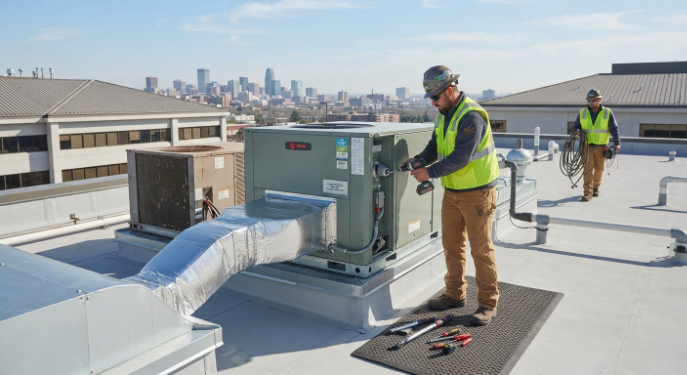
    HVAC is a bigger lever but a slower one. Recalibrating setpoints, sealing duct leaks and replacing worn belts and filters on a schedule can shave 10 to 20 percent off HVAC related energy use without any capital investment.

    Buildings that pursue structured energy management through programs like ENERGY STAR use an average of 35 percent less energy than their peers, which shows how much room for improvement usually exists in an unmanaged building.

    Water costs are smaller in dollar terms but easy to overlook. Low flow fixtures, leak detection on irrigation lines, and submetering tenant spaces so usage is visible rather than bundled into CAM can meaningfully reduce waste over time.

    Maintenance, Repairs and the Preventive Maintenance Trade-off

    This is the category where “cutting costs” and “reducing costs” stop meaning the same thing. Deferring a roof inspection saves money this quarter. It does not save money over three years, because small leaks become structural repairs, and structural repairs become tenant complaints, vacancy risk and litigation exposure.

    A well run preventive maintenance program (HVAC servicing twice a year, roof inspections annually, plumbing and electrical audits on a rotating schedule) usually costs less in aggregate than reactive repairs, because emergency labor rates and after hours service calls are far more expensive than scheduled work. The realistic goal isn’t to spend less on maintenance. It’s to spend the same or slightly less while shifting the mix toward planned work and away from emergency callouts.

    Cleaning, Landscaping, Security and Waste Management

    These are the categories owners most often try to cut first, and the ones where cutting too aggressively backfires fastest, because tenants notice immediately. Rather than reducing service frequency across the board, look at:

    • Right sizing janitorial staffing to actual occupancy patterns instead of a flat five day schedule
    • Switching from a fixed landscaping contract to a seasonal one, since winter and summer service needs differ significantly
    • Consolidating waste and recycling pickups based on actual fill rates rather than a default schedule
    • Reviewing whether security needs on site staffing around the clock or a mix of cameras, access control and patrol checks

    Insurance, Property Taxes and Administrative Costs

    Insurance premiums respond well to periodic re-shopping (every two to three years), updated risk mitigation documentation, and bundling coverage across a portfolio where possible. Property taxes vary enormously by jurisdiction, and owners should confirm their property’s assessed value is accurate; many commercial properties are over assessed and eligible for appeal, though the process and deadlines differ by county and state, so this always warrants a local review. Administrative costs (software, accounting, communication tools) are usually a small line item but one where consolidating vendors and automating rent collection or work order tracking reduces both cost and staff time.

    Vendor Contracts, Procurement and Technology

    Long standing vendor relationships often carry pricing that hasn’t been tested against the current market in years. Rebidding major contracts (janitorial, landscaping, security, waste) every two to three years, even if you plan to stay with the same vendor, typically produces leverage in the renewal conversation. Bundling procurement across multiple properties, where an owner has more than one asset, is one of the more underused tactics for reducing per unit costs on supplies, contracted labor and equipment.

    Staffing and Common Area Maintenance Costs

    Staffing decisions should be based on workload data, not habit. Tracking work order volume and response times over a few months usually reveals whether a full time on site engineer is needed or whether a shared regional technician model would serve the property adequately. Common area maintenance (CAM) costs deserve their own periodic audit, since these are the charges passed through to tenants, and inflated or poorly tracked CAM costs create friction at renewal time and can trigger lease disputes.

    Quick Wins vs Long Term Investments

    Timeframe Examples
    Quick wins (0 to 6 months) LED retrofits, rebidding vendor contracts, adjusting cleaning schedules, insurance re-shopping
    Medium term (6 to 24 months) HVAC recommissioning, preventive maintenance program buildout, submetering
    Long term investment (2+ years) Building envelope upgrades, major HVAC replacement, roof replacement with reflective materials

    When Cutting Costs Too Aggressively Creates Bigger Expenses Later

    The most common mistake in commercial property cost reduction is treating every expense line as equally safe to cut. Deferred roof maintenance, skipped HVAC servicing, reduced pest control, and understaffed security are the categories most likely to produce compounding costs. A leak that costs $400 to fix in year one can become a $40,000 tenant improvement claim and a lost lease in year three. The goal of reducing operating expenses should always be efficiency, not deferral.

    A Practical Expense Reduction Checklist

    • Pull the last three years of expense statements and identify categories trending above inflation
    • Benchmark each category against comparable properties in your market
    • Separate “safe to cut now” items from “requires capital but pays back” items
    • Rebid every major vendor contract at least once every two to three years
    • Confirm the property tax assessment reflects current value
    • Build or refresh a preventive maintenance calendar before touching maintenance staffing
    • Track tenant satisfaction alongside every cost reduction decision

    Real World Example: Hypothetical Before and After

    Facilities technician performing preventive HVAC maintenance on a commercial rooftop unit.

    Consider a hypothetical 60,000 square foot office building with $310,000 in annual operating expenses. After an 18 month program focused on LED retrofits, HVAC recommissioning, rebid janitorial and landscaping contracts, and a property tax appeal, annual expenses drop to approximately $274,000, a reduction of about 11.6 percent, without any reduction in cleaning frequency, security coverage or landscaping quality.

    The savings came almost entirely from efficiency and renegotiation, not service cuts. This is a hypothetical example intended to illustrate a realistic range of outcomes, not a guaranteed result.

    Conclusion

    Reducing commercial property operating expenses isn’t about finding one big cut. It’s about reviewing every category with the same question: is this an efficiency opportunity or a corner being cut.

    Utilities, vendor contracts and insurance tend to offer the safest, fastest savings. Maintenance, security and cleaning require more care, because the wrong cut there shows up later as a bigger expense or a lost tenant.

    Start with the categories that are easiest to benchmark and rebid, build a preventive maintenance plan before touching staffing, and track tenant satisfaction throughout. That combination is what separates genuine expense reduction from short term savings that cost more down the line.

    FAQs

    What is the fastest way to reduce commercial property operating expenses? Rebidding vendor contracts and completing a lighting retrofit typically produce the fastest measurable savings, often within the first two to six months.

    How much can a commercial property owner realistically save on operating expenses? Results vary widely by property age, market and current management practices, but a 10 to 15 percent reduction over 12 to 24 months is a reasonable target for a property that hasn’t been actively managed for cost efficiency.

    Should I cut maintenance spending to reduce commercial property operating expenses? Generally no. Reducing preventive maintenance tends to increase total costs over time through emergency repairs and tenant dissatisfaction.

    Do property tax appeals actually work for commercial buildings? Many commercial properties are over assessed, and appeals succeed often enough to be worth pursuing, though the process, deadlines and success rates vary significantly by jurisdiction.

    How often should commercial property vendor contracts be rebid? Every two to three years is a reasonable standard, even for vendors an owner intends to keep, since it maintains pricing leverage.

    Does reducing operating expenses hurt tenant satisfaction? It can, if cuts target visible services like cleaning or security. Reductions focused on efficiency (utilities, contract pricing, staffing structure) generally have little to no impact on tenant experience.

  • How to Screen Commercial Tenants: A Landlord’s Step by Step Framework

    How to Screen Commercial Tenants: A Landlord’s Step by Step Framework

    Screening a commercial tenant is a completely different exercise than screening a residential renter, and treating the two the same way is one of the most common mistakes new commercial landlords make.

    A residential tenant screen focuses mainly on personal income and rental history. Learning how to screen commercial tenants means evaluating an entire business: its finances, its stability, its intended use of the space, and whether it can realistically sustain a multi year lease commitment.

    Why Commercial Screening Requires a Deeper Look

    A commercial lease is usually a much larger financial commitment than a residential lease, often running three to ten years with significant build out involved. When reviewing a commercial tenant, I would look beyond revenue alone, because a business can generate strong sales and still struggle with cash flow, debt obligations, or seasonal swings that make consistent rent payment difficult.

    Business Identity and History

    Ten step framework for screening commercial tenants.

    Start by verifying the legal entity applying for the lease. Confirm the business name, entity type, state of formation, and how long the business has actually been operating.

    A business with several years of consistent operation in its current form generally presents lower risk than a brand new entity with no operating history, though new businesses are not automatically disqualifying if other factors are strong.

    Reviewing Financial Statements

    Ask for recent financial statements, which typically include a profit and loss statement, a balance sheet, and several months of bank statements. Revenue alone is not enough to judge whether a tenant can sustain rent payments.

    A business can post strong sales figures while carrying heavy debt, thin margins, or irregular cash flow that makes monthly rent a real strain.

    Look at trends over time rather than a single snapshot, and pay attention to whether cash flow is consistent or seasonal. Also read What Does CAM Charges Mean in a Commercial Lease? A Plain English Guide.

    Business Credit and Financial Stability

    Business credit reports provide an independent view of how a company handles its financial obligations. According to Dun & Bradstreet, one of the primary commercial credit reporting bureaus, business credit reports and scores like the PAYDEX score are used by landlords, lenders, and suppliers to evaluate a company’s payment reliability and overall financial stability before entering into an agreement. Pulling a business credit report, alongside the personal credit of any guarantors, gives a fuller picture than financial statements alone.

    Trade References and Previous Landlord References

    Contacting a few of the applicant’s existing vendors or suppliers can reveal whether the business pays its obligations on time. Previous landlord references are especially valuable, since a prior landlord can speak directly to payment consistency, how well the tenant maintained the space, and whether there were any lease disputes.

    Understanding the Business Plan and Intended Use

    For newer businesses in particular, ask for a business plan or at least a clear explanation of the intended use of the space. This helps confirm the use is compatible with the property, zoning, and any exclusive use clauses already granted to other tenants in the building. It also gives insight into whether the business model is realistic for the location.

    Insurance, Licensing, and Legal Structure

    Confirm the business carries appropriate commercial liability insurance and holds any licenses or permits required for its industry. Review the legal entity structure carefully, since leasing to an LLC or corporation limits the landlord’s recourse to that entity’s assets unless a personal guarantee is also in place.

    Guarantors and Security Deposits

    For newer or smaller businesses, a personal guarantee from an owner adds a meaningful layer of protection, since it extends liability beyond the business entity itself. Security deposits should be sized to reflect the risk level of the tenant, with newer or less established businesses often justifying a higher deposit than a long established company with strong financials.

    The Commercial Tenant Screening Framework

    A consistent, step by step process protects landlords both financially and legally.

    Step 1: Verify business identity. Confirm the legal entity, ownership, and registration.

    Step 2: Understand the business model. Know what the business does and how it generates revenue.

    Step 3: Review financial information. Request financial statements and bank statements covering a meaningful period.

    Step 4: Assess creditworthiness. Pull business credit reports and, where relevant, personal credit for guarantors.

    Step 5: Check references. Contact trade references and previous landlords directly.

    Step 6: Evaluate intended use. Confirm the use fits the property and any zoning or lease restrictions.

    Step 7: Review insurance and licensing requirements. Confirm the tenant can meet the coverage and permitting the lease requires.

    Step 8: Assess guarantor strength where relevant. Evaluate the financial standing of any personal guarantor.

    Step 9: Evaluate tenant fit. Consider how the business complements the property and any existing tenant mix.

    Step 10: Document the screening decision consistently. Keep records showing the same criteria were applied to every applicant.

    Practical Example: Comparing Two Applicants

     Property manager checking landlord references during tenant screening.

    Consider a hypothetical scenario where a landlord is evaluating two applicants for the same 1,800 square foot retail unit. Applicant A is a two year old boutique fitness studio with steady but modest revenue growth, a clean trade reference record, and an owner willing to sign a personal guarantee. Applicant B is a newly formed retail concept with no operating history, strong initial funding, but no trade references yet established and an owner unwilling to guarantee the lease personally.

    Applicant A presents a track record the landlord can actually verify, even though the revenue figures are smaller. Applicant B may still be worth considering, but the landlord would reasonably request a larger security deposit, a shorter initial lease term with renewal options, or a personal guarantee before moving forward, given the lack of verifiable history.

    Why Consistency Matters

    Screening criteria should be applied the same way to every applicant, using documented standards rather than case by case judgment calls. Applying different standards to similar applicants creates both fairness concerns and legal exposure, so landlords should establish a written screening policy and follow it consistently in accordance with applicable local laws.

    Conclusion

    Learning how to screen commercial tenants well means looking past the surface numbers and evaluating the whole business, its history, its finances, and its long term viability.

    A consistent, documented framework protects both the property and the landlord’s legal standing, while giving every applicant a fair, transparent evaluation.

    Treat screening as an ongoing discipline rather than a one time checklist, and it will pay off in fewer disputes and more stable, long term tenants.

    FAQs

    How do you screen commercial tenants differently than residential tenants? Commercial tenant screening evaluates an entire business, including its financial statements, credit history, and intended use, rather than focusing mainly on an individual’s personal income and rental history.

    What financial documents should a landlord request from a commercial tenant? Common requests include profit and loss statements, balance sheets, and several months of business bank statements to evaluate revenue trends and cash flow stability.

    Why is revenue alone not enough when screening a commercial tenant? A business can show strong revenue while still carrying heavy debt or inconsistent cash flow, so landlords need to look at overall financial stability, not just top line sales figures.

    Should new businesses with no operating history be automatically rejected? Not necessarily. A newer business can still be a reasonable tenant if other factors, like a strong personal guarantee, adequate funding, or a larger security deposit, help offset the lack of track record.

    What is a personal guarantee in commercial leasing? A personal guarantee is a commitment from a business owner to be personally responsible for lease obligations if the business entity itself cannot meet them.

    How can landlords screen commercial tenants consistently and fairly? Establishing a written screening policy with defined criteria, and applying that same policy to every applicant, helps ensure consistency and reduces legal risk.


  • Commercial Real Estate Investment for Beginners: A Practical Starting Guide

    Commercial Real Estate Investment for Beginners: A Practical Starting Guide

    Commercial real estate investment for beginners can feel intimidating, mostly because the terminology sounds far more complicated than the underlying ideas actually are.

    Once you understand a handful of core concepts, a commercial property deal becomes a lot easier to evaluate.

    This guide is not trying to cover every investment strategy that exists. Instead, it focuses on the fundamentals a first time investor genuinely needs before looking seriously at their first property.

    What Commercial Real Estate Actually Is

    Commercial real estate refers to property used for business purposes rather than as a personal residence. This includes office buildings, retail centers, industrial buildings, warehouses, and larger multifamily properties, along with mixed use developments that combine two or more of these uses in a single project. Each property type has its own tenant profile, lease structure, and risk pattern, which is why beginners are usually better off learning one property type deeply before spreading attention across several.

    The Main Property Types

    Office space is leased by businesses for administrative work and has been reshaped significantly by shifts in how companies use in person workspace. Retail space is leased by businesses that sell directly to consumers, ranging from single storefronts to large shopping centers. Industrial and warehouse space is leased by businesses for manufacturing, storage, and distribution, and it has seen strong demand growth tied to logistics and e-commerce. Multifamily properties, meaning apartment buildings above a certain unit count, are sometimes categorized alongside commercial real estate because they are financed and evaluated using similar income based methods.

    How Commercial Property Actually Makes Money

    Worked example calculation of NOI, cap rate, and cash flow for a commercial property.

    Commercial real estate generates returns in two main ways: the income the property produces while you own it, and the appreciation in value when you eventually sell it. Rental income is the most predictable of the two, since it depends on signed leases with paying tenants. Appreciation is less predictable and depends on market conditions, property improvements, and how well the property is managed over time.

    Understanding NOI and Cap Rate

    Net operating income, commonly called NOI, is the property’s total rental income minus its operating expenses, before any mortgage payment is subtracted. NOI is the number investors use to judge how well a property performs on its own, independent of financing.

    The capitalization rate, or cap rate, is calculated by dividing NOI by the property’s purchase price or current market value. According to The CCIM Institute, the leading commercial real estate education organization affiliated with the National Association of Realtors, cap rate is one of the primary tools professionals use to compare the relative value of different income producing properties. A higher cap rate generally signals higher potential return alongside higher risk, while a lower cap rate typically reflects a more stable, lower risk property.

    Financing Basics: Down Payment, LTV, and DSCR

    Most beginners will not pay cash for a commercial property, which means understanding financing terms matters. Loan to value, or LTV, describes how much of the purchase price a lender is willing to finance, expressed as a percentage. A lender offering 70 percent LTV expects the buyer to cover the remaining 30 percent as a down payment. Also read Commercial Real Estate Due Diligence Checklist for 2026.

    Debt service coverage ratio, or DSCR, measures whether the property’s income comfortably covers its loan payments. It is calculated by dividing NOI by the total annual debt service, meaning the total mortgage payments for the year. Lenders typically want to see a DSCR above 1.20, meaning the property produces at least 20 percent more income than what is needed to cover the loan.

    A Beginner Friendly Investment Example

    Here is a hypothetical, fully illustrative example of how these numbers work together in practice.

    Item Amount
    Purchase price $800,000
    Down payment (25%) $200,000
    Loan amount $600,000
    Annual gross rental income $96,000
    Annual operating expenses $28,800
    Net operating income (NOI) $67,200
    Annual debt service (loan payments) $42,000
    Annual cash flow $25,200
    Cap rate (NOI ÷ purchase price) 8.4%
    Cash on cash return (cash flow ÷ down payment) 12.6%

    In this hypothetical example, the property generates $96,000 a year in rent. After subtracting $28,800 in operating expenses like property taxes, insurance, and maintenance, the NOI comes to $67,200. Once the annual loan payments of $42,000 are subtracted from NOI, the investor is left with $25,200 in actual cash flow for the year. Dividing NOI by the purchase price gives an 8.4 percent cap rate, while dividing the cash flow by the actual cash invested (the down payment) gives a 12.6 percent cash on cash return, which reflects the return on the investor’s own money rather than the full property value.

    How a Beginner Should Evaluate Their First Commercial Property

    A practical way to evaluate a first deal is to work through these questions in order: what are your investment goals, how much capital do you actually have available, which property type matches your risk tolerance and knowledge, is the location supported by real demand, how strong is the tenant’s business and lease term, what does the NOI and cap rate tell you compared to similar properties, what is the current and historical vacancy rate, can you realistically qualify for financing at a workable DSCR, have you completed real due diligence on the property’s condition and finances, do you have a property management plan, and what is your intended exit strategy.

    Beginner Mistakes to Avoid

    New investors commonly underestimate operating expenses, skip a thorough review of existing leases, or get too focused on cap rate without considering tenant quality and lease length. Another frequent mistake is assuming rental income will stay flat or only increase, without planning for vacancy periods or unexpected capital expenditures like a roof replacement.

    Understanding the Risks

    Commercial real estate is not risk free, and no article should suggest otherwise. Vacancy can eliminate income for months at a time. Tenant default disrupts cash flow. Rising interest rates increase the cost of refinancing.

    Unexpected repairs and capital expenditures can be substantial. Market conditions shift, financing may become harder to secure, and owning a single property concentrates risk in a way that a diversified portfolio does not.

    According to the U.S. Small Business Administration, leasing or purchasing commercial property is a significant financial commitment that should be weighed carefully against a business’s or an investor’s broader financial picture.

    Conclusion

     Beginner investor reviewing financial documents before a commercial property purchase.

    Commercial real estate investment for beginners becomes far less intimidating once you understand how NOI, cap rate, and financing terms actually connect to real cash flow. Start by learning one property type well, build a habit of running the numbers on every deal you consider, and treat due diligence as non negotiable rather than optional.

    The investors who do well over time are usually the ones who understood the fundamentals before they wrote their first check.

    FAQs

    Is commercial real estate investment for beginners actually realistic without a lot of capital? It depends on the property type and financing available. Smaller commercial properties and SBA backed financing options can make entry more accessible than many beginners assume, though a meaningful down payment is still typically required.

    What is a good cap rate for a beginner investor? There is no universal good cap rate, since it depends on property type, location, and risk tolerance. Comparing a property’s cap rate against similar properties in the same submarket is more useful than judging it in isolation.

    How much money do I need to start investing in commercial real estate? This varies enormously by property type and market, but a down payment of 20 to 30 percent of the purchase price is a common expectation for conventional commercial financing.

    What is the difference between NOI and cash flow? NOI is income after operating expenses but before loan payments, while cash flow is what remains after both operating expenses and loan payments are subtracted.

    Should a beginner start with a single property or a fund? Both are valid paths. Direct ownership gives more control and requires more hands on management, while funds offer diversification with less direct involvement.

    What is the biggest risk in commercial real estate investing? Vacancy and tenant default are among the most immediate risks, since they directly interrupt the income the investment depends on.

  • What Does CAM Charges Mean in a Commercial Lease? A Plain English Guide

    What Does CAM Charges Mean in a Commercial Lease? A Plain English Guide

    If you have ever looked at a commercial lease and wondered what does CAM charges mean in commercial lease agreements, you are not alone. CAM stands for common area maintenance, and it is one of the most misunderstood costs in commercial leasing. Unlike residential rent, where the price on the sign is usually the price you pay, commercial rent often comes with additional charges layered on top, and CAM is typically the largest of them.

    This guide breaks CAM down in plain language, explains what it usually covers, and walks through a full worked reconciliation example so you can see exactly how the numbers come together at the end of the year.

    What CAM Charges Actually Are

    CAM charges are fees a landlord collects from tenants to cover the cost of maintaining and operating the shared portions of a commercial property. Think of the parking lot, lobby, hallways, landscaping, and shared restrooms in an office or retail building. These spaces benefit every tenant, so instead of the landlord absorbing the full cost, each tenant pays a proportionate share based on how much space they occupy relative to the building’s total leasable area.

    Why Landlords Charge CAM

    Worked example of a commercial lease CAM reconciliation calculation.

    Operating a commercial building is expensive, and landlords generally do not want to absorb rising costs like snow removal, landscaping contracts, or security staffing without passing some of that expense along. CAM allows the base rent to reflect the space itself, while variable operating costs are billed separately and adjusted as actual expenses change year to year.

    What Expenses Are Typically Included

    CAM commonly includes landscaping, parking lot maintenance and repaving, common area cleaning and janitorial services, snow and ice removal, common area lighting and utilities, pest control, security, and general repairs to shared building systems. Property management fees are frequently included as well, though the way they are calculated varies significantly from lease to lease.

    What Expenses May Be Excluded

    Many leases specifically exclude capital expenditures, meaning major structural replacements like a new roof or an HVAC system overhaul, from CAM. These larger costs are treated differently because they extend the life of the building rather than simply maintaining it. Property taxes and building insurance are sometimes billed separately from CAM as their own line items, particularly in triple net leases where tenants cover all three “nets” of taxes, insurance, and CAM individually. According to BOMA International, the industry organization that sets standard measurement and expense allocation practices for commercial buildings, the specific treatment of these costs depends heavily on how the individual lease is written, which is why reviewing your actual lease language matters more than relying on general assumptions.

    CAM Estimates and Reconciliation Explained

    Because actual annual operating costs are not known in advance, landlords typically bill tenants a monthly CAM estimate based on the prior year’s expenses or a projected budget. At the end of the year, once actual costs are known, the landlord performs a reconciliation, comparing what each tenant actually paid throughout the year against their true proportionate share of actual expenses. The tenant either owes an additional amount or receives a credit, depending on which direction the numbers move.

    What Should Tenants Check Before Paying CAM Charges?

    Before paying any CAM bill or reconciliation statement, a practical way to evaluate it is to check these items:

    1. Does the lease clearly define which expenses qualify as CAM.
    2. Is your proportionate share calculated correctly based on your actual square footage.
    3. Are any capital expenditures being billed that should have been excluded.
    4. Does the lease include a CAM cap limiting annual increases.
    5. Do you have audit rights allowing you to review the landlord’s supporting documentation.
    6. Are administrative or management fees calculated the way the lease describes.

    A Worked CAM Reconciliation Example

    Here is a hypothetical example showing exactly how a CAM reconciliation works. All numbers below are illustrative only.

    A tenant leases 2,500 square feet in a 50,000 square foot retail center, giving them a proportionate share of 5 percent.

    Item Amount
    Estimated annual CAM for the building $150,000
    Tenant’s proportionate share (5%) $7,500
    Monthly CAM estimate paid by tenant $625
    Total paid over 12 months $7,500
    Actual annual CAM for the building $162,000
    Tenant’s actual share (5% of actual) $8,100
    Amount already paid $7,500
    Balance owed by tenant $600

    In plain English, the landlord initially estimated the building’s shared maintenance costs at $150,000 for the year and billed the tenant 5 percent of that figure, spread evenly across 12 monthly payments of $625. Once the year ended, actual expenses came in higher than expected at $162,000. The tenant’s true 5 percent share of the real cost was $8,100, but they had only paid $7,500 across the year. The reconciliation statement shows a balance of $600 still owed. If actual expenses had come in lower than the estimate, the tenant would instead receive a credit or refund for the difference.

    CAM Caps, Gross Up Provisions, and Audit Rights

     Landscaping and parking lot maintenance typically covered by CAM charges.

    A CAM cap limits how much your proportionate share can increase from one year to the next, which protects tenants from unpredictable spikes in operating costs. A gross up provision adjusts variable expenses, like utilities, as if the building were fully occupied, which prevents a landlord from overcharging remaining tenants in a partially vacant building.

    Audit rights give tenants the ability to request supporting documentation and, in some leases, formally audit the landlord’s CAM calculations if the numbers seem inconsistent with prior years.

    Conclusion

    Understanding what CAM charges mean in a commercial lease comes down to knowing which expenses your lease actually covers, how your proportionate share is calculated, and how the annual reconciliation process works.

    The lease itself always controls what qualifies as CAM, so reading that language carefully, and checking the reconciliation math each year, protects you from paying more than your fair share.

    FAQs

    What does CAM charges mean in commercial lease agreements exactly? CAM stands for common area maintenance and refers to the tenant’s proportionate share of costs to maintain shared areas of a commercial property, such as parking lots, landscaping, and common hallways.

    Is CAM the same as rent? No. CAM is billed separately from base rent, though many landlords collect it monthly alongside rent for convenience.

    Can CAM charges increase every year? Yes, CAM charges typically fluctuate based on actual operating costs, though a CAM cap in your lease can limit how much your share increases annually.

    What is a CAM reconciliation? A CAM reconciliation is the annual comparison between estimated CAM payments a tenant made throughout the year and their actual proportionate share of real operating expenses, resulting in either an amount owed or a credit.

    Do all commercial leases include CAM charges? Not always. Some leases, particularly gross leases, bundle operating costs into a single rent figure instead of billing CAM separately, so the lease structure determines whether CAM applies.

    Can tenants dispute a CAM bill? Yes, if the lease includes audit rights, tenants can request documentation and challenge charges that appear inconsistent with the lease terms.

  • How to Negotiate a Commercial Lease Renewal

    How to Negotiate a Commercial Lease Renewal

    If you run a business out of leased space, the day your renewal notice shows up in your inbox is not the day to start thinking about strategy. Learning how to negotiate a commercial lease renewal is really about preparation.

    Tenants who walk into the conversation with market data, a clear sense of their leverage, and a list of priorities almost always end up with a better outcome than tenants who simply wait for the landlord’s first offer and react to it.

    This guide walks through the renewal process from a tenant’s point of view, while also explaining what the landlord is weighing on their side of the table. One thing I would check before agreeing to any renewal is whether the current lease even requires a formal notice, because missing that window can quietly hand the landlord more control than they should have.

    What a Lease Renewal Actually Involves

    A renewal is not the same as signing a brand new lease, even though it can feel that way. In most cases, you are either exercising a renewal option that was already written into your original lease, or you are negotiating a fresh term with a landlord who already knows your payment history and how you treat the space.

    Both situations give you something to work with. An existing option often locks in a formula for rent, while a negotiated renewal with no formal option gives you more room to reset terms that no longer fit your business.

    When Should You Start Negotiating a Commercial Lease Renewal?

    Highlighted commercial lease clauses being reviewed before renewal

    Start early. Commercial leases typically require written notice of intent to renew somewhere between six and eighteen months before expiration, and the exact window depends entirely on your specific lease and jurisdiction.

    Waiting until the final weeks before your lease ends puts you at a serious disadvantage. You lose the ability to credibly explore other spaces, your landlord senses that you have no real alternative, and you may be forced to accept whatever rent increase is proposed simply because you are out of time.

    A practical target is to begin reviewing your lease and researching the market nine to twelve months before your expiration date. This gives you enough runway to negotiate seriously, and if talks stall, enough time to tour alternative spaces without panic.

    Reviewing Your Existing Lease

    Before contacting your landlord, read your current lease closely. Look for the renewal option language, notice deadlines, any rent escalation formulas already built in, and clauses covering CAM charges, maintenance responsibilities, and assignment or subleasing rights. Many tenants are surprised to find they already have a defined renewal formula, which changes the entire negotiation from “what should rent be” to “does this formula still make sense given today’s market.”

    Researching Market Rent and Comparable Properties

    Market rent is your strongest data point. Look at what comparable properties in your submarket are asking for similar square footage, building class, and lease structure. A commercial real estate broker can pull recent comparables, and organizations like The CCIM Institute publish investor level financial analysis education that explains how professionals actually value space. If your current rent sits meaningfully above market, that gap becomes your primary talking point. If it sits below market, be ready for the landlord to use the same data against you.

    Identifying Tenant and Landlord Leverage

    Tenant leverage usually comes from three places: a strong payment history, the cost and disruption a landlord would face finding a replacement tenant, and genuine alternative options in the market. Landlord leverage comes from high demand for the space, low vacancy in the submarket, or a tenant with few realistic relocation options because of build out costs or a specialized space requirement.

    Be honest with yourself about which side holds more leverage in your situation. It should shape how aggressively you negotiate. Also read Commercial Real Estate Due Diligence Checklist for 2026.

    Building Your Renewal Proposal

    Once you understand market rent and your leverage, prepare a written proposal rather than negotiating verbally point by point. A strong proposal typically addresses:

    Negotiation Item What to Prepare
    Rent Target rate supported by comparables
    Lease term Preferred length and renewal options
    Escalations Flat, stepped, or CPI based increases
    Tenant improvements Allowance amount, if any
    Concessions Free rent, reduced CAM, or other credits
    CAM and operating expenses Cap requests or audit rights
    Maintenance responsibilities Confirm what landlord versus tenant covers

    A Realistic Renewal Negotiation Example

    Consider a hypothetical retail tenant currently paying $22 per square foot on a 2,000 square foot space, with the lease expiring in eight months. The landlord’s opening renewal offer is $27 per square foot, citing rising operating costs. The tenant researches comparable retail space nearby and finds asking rents between $23 and $25 per square foot for similar units.

    The tenant counters at $24 per square foot with a three year term, requesting a $5,000 tenant improvement allowance for updated flooring and one month of free rent to offset the improvement work. After two rounds of discussion, the parties settle at $25 per square foot, a three year term with a renewal option, a $3,000 improvement allowance, and two weeks of rent abatement during the improvement period. Both sides walk away with a workable deal grounded in actual market data rather than the landlord’s first number.

    Common Negotiation Mistakes

    Tenants often lose ground by negotiating without comparables, focusing only on rent while ignoring CAM charges and escalation clauses, or failing to read assignment and subleasing language that could matter later if the business changes. Another frequent mistake is verbally agreeing to terms without confirming them in writing before the landlord’s attorney drafts the amendment.

    Documenting the Final Agreement

    Once terms are agreed, everything should be captured in a formal lease amendment or a new lease document, not an email summary. Have the amendment reviewed before signing, particularly the sections covering rent escalations, renewal options for the next term, and any concessions that were promised verbally during negotiation.

    Conclusion

    Negotiating a commercial lease renewal comes down to preparation, timing, and knowing your actual leverage before you ever pick up the phone. Tenants who research market rent, review their existing lease carefully, and submit a clear written proposal consistently land better terms than those who wait and react.

    Start the process early, treat the renewal as seriously as you would a new lease, and get every agreed term documented before you sign.

    FAQs

    How do I start negotiating a commercial lease renewal? Review your existing lease for renewal notice deadlines, research comparable market rent, and submit a written proposal to your landlord well before the notice deadline passes.

    How early should I start negotiating a commercial lease renewal? Most tenants benefit from starting nine to twelve months before expiration, though your specific lease’s notice requirements should always guide the actual timeline.

    Can I negotiate CAM charges during a lease renewal? Yes. Renewal is often the best opportunity to request a CAM cap, clarify which expenses are included, or negotiate audit rights, since the landlord is motivated to keep you as a tenant.

    What happens if I miss my renewal notice deadline? Depending on your lease language, missing the deadline can mean losing your renewal option entirely, which shifts negotiating power heavily toward the landlord.

    Should I hire a broker to negotiate my lease renewal? A broker can be valuable for pulling accurate market comparables and negotiating on your behalf, particularly for larger spaces or complex lease structures, though many tenants successfully negotiate smaller renewals themselves.

    Is a lease renewal always cheaper than moving? Not always. Compare the total cost of a renewal, including any rent increase, against relocation costs, build out expenses, and downtime before deciding.

  • Commercial Property Vacancy Rate by Property Type

    Commercial Property Vacancy Rate by Property Type

    Vacancy rate reports get published constantly, but most of them are written for institutional investors, not for the owner of a small strip center or a single warehouse trying to figure out what a national number actually means for their property. The commercial property vacancy rate by property type varies enormously, and a headline figure for “office” or “retail” can hide huge differences depending on location, building quality, and even how the number was measured.

    When evaluating a property, I would first look at whether a vacancy figure represents the whole market or a specific segment of it, because that distinction changes what the number is actually telling you.

    What Vacancy Rate Means and How It Is Calculated

    Vacancy rate is the percentage of a property’s or market’s total leasable space that is currently unoccupied. The basic formula is:

    Vacancy Rate = Vacant Square Footage ÷ Total Leasable Square Footage

    A related but different figure is the availability rate, which includes space that is vacant plus space that is occupied but actively being marketed for lease, such as a tenant planning to move out soon. Retail figures in particular are often reported as availability rather than pure vacancy, which is worth noting when comparing numbers across property types.

    Physical Vacancy vs Economic Vacancy

    Office retail industrial and multifamily commercial buildings

    Physical vacancy simply measures empty space. Economic vacancy measures lost income, including space that is occupied but not paying full rent, perhaps due to a concession, a rent free period, or a tenant in default. A property can have low physical vacancy and still be underperforming financially if a meaningful share of its income is discounted or uncollected.

    Why Vacancy Differs by Property Type

    Each property type responds to different demand drivers, which is exactly why a single national vacancy figure is not very useful on its own.

    Office vacancy has been shaped heavily by hybrid work patterns since 2020, and remains the highest among major property types. National office vacancy fell 30 basis points to 18.3 percent in the second quarter of 2026, the largest quarterly decline since 2015, according to CBRE’s quarterly office market research, with leasing activity up sharply year over year. Notably, prime, high quality office space is recovering faster than older buildings.

    Industrial vacancy has stayed comparatively low, supported by e-commerce and logistics demand. Industrial vacancy fell to 6.5 percent in CBRE’s Q2 2026 industrial and logistics figures, aided by big box demand and slower new construction.

    Retail availability has held near multi year lows. CBRE’s midyear 2026 outlook noted that the overall retail availability rate was expected to keep declining from 4.9 percent in the second quarter, with new construction remaining limited.

    Multifamily, while technically residential rather than commercial in the traditional sense, is often tracked alongside commercial property types by institutional investors. CBRE’s 2026 forecast called for multifamily vacancy to hold steady at 4.9 percent for the year.

    Current Vacancy Rates by Property Type (2026)

    Property Type Vacancy / Availability Rate Market / Geography Data Period Source
    Office 18.3% (vacancy) United States, national Q2 2026 CBRE Research
    Industrial 6.5% (vacancy) United States, national Q2 2026 CBRE Research
    Retail 4.9% (availability) United States, national Q2 2026 CBRE Research
    Multifamily 4.9% (vacancy, forecast) United States, national 2026 CBRE Research

    A few important notes on this table. These are national averages, and individual metro markets can differ substantially. Office vacancy in particular varies widely between downtown and suburban submarkets and between prime and older buildings, so a specific property’s local submarket vacancy is a far more useful benchmark than the national figure.

    Retail is reported here as an availability rate rather than pure vacancy, which tends to run slightly higher than a strict vacancy measurement would. Also read Commercial Real Estate Due Diligence Checklist for 2026.

    Why Location and Building Quality Matter More Than the National Number

    A small owner should treat national vacancy figures as context, not as a direct stand in for their own property. A well located, well maintained building in a supply constrained submarket can outperform its property type’s national average considerably. Conversely, an older building in a market absorbing significant new supply can underperform even a discouraging national figure. Tenant demand, lease structure, and asking rents relative to the local market all shape how a specific property experiences vacancy.

    How Vacancy Affects NOI and Property Valuation

    Vacancy connects directly back to the two things every commercial owner ultimately cares about: income and value. Higher vacancy reduces effective gross income, which reduces net operating income. Since property value is generally calculated by dividing NOI by a cap rate, a sustained increase in vacancy lowers value twice over, first by shrinking the income itself, and potentially again if buyers apply a higher cap rate to reflect increased perceived risk.

    What Rising Vacancy Might Mean for Owners

    A rising vacancy rate in your property type or submarket is worth paying attention to, but it does not automatically mean a bad investment or a doomed property. Context matters. Consider what it might signal for:

    • Rent negotiations: Rising vacancy generally shifts leverage toward tenants, making aggressive rent increases harder to sustain.
    • Tenant retention: In a softer market, retaining existing tenants often becomes more cost effective than chasing new ones.
    • Property value: Sustained vacancy increases can pressure both income and cap rate assumptions, though a temporary uptick in an otherwise strong submarket may have limited impact.
    • Leasing strategy: Owners may need to offer more competitive concessions or reposition the property to stand out.
    • Capital improvements: Targeted upgrades can help a property compete in a softening market, provided they connect to real tenant demand.
    • Investment decisions: A rising vacancy trend is a reason to dig deeper into local absorption and new supply data, not a reason to panic on its own.

    Real World Example

    : Table of current commercial property vacancy rates by type

    Consider a hypothetical owner, Priya, who owns a small industrial building and notices that national industrial vacancy has ticked up slightly. Before assuming her property is at risk, she checks local submarket data and finds that new industrial supply in her specific area is minimal, while demand from regional logistics tenants remains strong. Her building, fully leased with two years remaining on its current lease, is well positioned regardless of the broader national trend. This illustrates why local, property specific context matters more than a single headline number.

    Conclusion

    The commercial property vacancy rate by property type tells a more useful story when you look past the headline number and into the specific submarket, building quality, and lease structure behind it.

    National figures give you context for where the broader market stands, but your own property’s performance depends far more on its location, condition, and tenant relationships than on any single published percentage. Use the data as a starting point for questions, not as a final verdict on your investment.

    FAQ

    What is a normal commercial property vacancy rate? It depends heavily on property type. Industrial and retail have generally run in the mid single digits nationally, while office vacancy has been notably higher in recent years.

    What is the difference between vacancy rate and availability rate? Vacancy rate measures currently empty space. Availability rate includes vacant space plus occupied space that is being actively marketed for lease.

    Why is office vacancy higher than other property types? Shifts in workplace patterns since 2020 reduced demand for office space overall, though higher quality buildings have recovered faster than older ones.

    Does a high vacancy rate always mean a property is a bad investment? Not necessarily. Local submarket conditions, building quality, and lease terms often matter more than a national vacancy figure.

    How often is commercial vacancy data updated? Major research firms typically publish updated figures quarterly, though some markets get more frequent tracking than others.

    Where can I find vacancy data for my specific city or submarket? Commercial brokerage research pages, local commercial real estate associations, and in some cases regional Federal Reserve Bank publications provide market specific data.

    How does vacancy rate affect commercial property value? Higher vacancy reduces net operating income, which lowers value directly, and can also increase the cap rate buyers apply, compounding the effect.

  • How to Increase Commercial Property Value

    How to Increase Commercial Property Value

    Most articles on how to increase commercial property value read the same way: repaint the lobby, add some landscaping, improve the signage. None of that is wrong exactly, it is just incomplete. The real question an owner should be asking is not “what improvement looks nice” but “which improvement actually moves net operating income, and by how much.”

    A useful way to think about this is that a commercial property’s value is really just a reflection of the income it produces, filtered through a cap rate. So every improvement worth considering should trace back to one of three outcomes: more income, lower expenses, or reduced risk in the eyes of a future buyer or lender.

    Increasing Rental Income

    The most direct lever is rent itself. This can come from raising rents to market level at renewal, adding income producing amenities like storage units or reserved parking, or converting underused space into leasable square footage. Before pushing rents aggressively, though, it is worth checking current comparable asking rents in the submarket so increases stay realistic rather than triggering turnover you did not want.

    Reducing Vacancy and Improving Tenant Retention

    Every month a unit sits empty is lost income that never returns. Reducing vacancy usually comes down to responsive property management, competitive lease terms, and addressing tenant complaints before they become move out decisions. Retention is often cheaper than releasing space, since turnover brings marketing costs, lost rent during the vacancy period, and frequently a tenant improvement allowance for the next occupant.

    Physical Improvements That Actually Matter

    Capex ROI and NOI relationship to commercial property value

    Curb appeal and common area renovations do matter, but their value comes from what they change behaviorally: do they reduce vacancy, support higher asking rents, or shorten time on market. Improvements worth prioritizing typically include:

    • Renovated common areas and lobbies that support premium rent positioning
    • Updated signage that improves visibility and tenant traffic for retail
    • Parking improvements, particularly restriping or expanding capacity in tight markets
    • Security upgrades, including cameras and access control, which tenants increasingly expect
    • Landscaping that supports first impressions during leasing tours

    Energy Efficiency and Building Systems

    Energy efficiency improvements sit at an interesting intersection: they reduce operating expenses directly, which raises NOI without needing a single new tenant. HVAC upgrades, LED lighting retrofits, and better building envelope insulation all reduce utility costs, and in many commercial leases where tenants pay their own utilities, efficient systems also make the space more attractive to prospective tenants comparing multiple properties.

    Preventive Maintenance vs Deferred Maintenance

    Preventive maintenance protects value. Deferred maintenance quietly erodes it, and often shows up at the worst possible time, during a buyer’s physical inspection. A well documented preventive maintenance program can also support a lower perceived risk profile with buyers and lenders, which can influence the cap rate a buyer applies to the property.

    Property Repositioning and Tenant Mix

    Sometimes the highest value improvement is not physical at all. Repositioning a property, shifting from a struggling tenant mix to one better matched to current demand, can meaningfully change both income and marketability. A retail center anchored by a declining tenant category may benefit more from a lease restructuring strategy than from a fresh coat of paint.

    Lease Optimization

    Beyond rent levels, lease structure itself affects value. Longer lease terms, built in rent escalations, and stronger tenant covenants all reduce the income risk a buyer is pricing in. Two properties with identical current NOI can have meaningfully different values if one has stable, long term leases and the other is full of short term or month to month tenants.

    Capex ROI and Commercial Property Value

    This is the section that actually answers the underlying question: is a specific improvement financially worth doing. Also read What Is a Good NOI for Commercial Property?

    The basic relationship is straightforward. Start with the annual increase in NOI the improvement is expected to produce, then divide by the cost of the improvement to get a simple return figure. Separately, divide that same NOI increase by the market cap rate to see how much the improvement could add to the property’s value.

    Formulas:

    Capex ROI = Annual NOI Increase ÷ Capital Improvement Cost

    Potential Value Increase = Annual NOI Increase ÷ Cap Rate

    Hypothetical Example

    Suppose an owner is considering a $50,000 lighting and HVAC efficiency upgrade for a small office building, purely as a hypothetical scenario.

    Item Value
    Capital Improvement Cost $50,000
    Estimated Annual Expense Savings $6,000
    Market Cap Rate 7%

    Capex ROI = $6,000 ÷ $50,000 = 12% annual return

    Potential Value Increase = $6,000 ÷ 0.07 = $85,714

    In this hypothetical case, a $50,000 investment could potentially create over $85,000 in added value, because the cap rate effectively multiplies the impact of sustained NOI growth. That gap is exactly why the highest cost improvement is not automatically the best investment. A $150,000 lobby renovation that produces no measurable NOI increase could add nothing to value under this framework, while a smaller, less visually dramatic mechanical upgrade could move the number significantly, provided the savings are real and sustainable rather than a one time reduction.

    It is worth repeating that these figures are entirely hypothetical. Real world results depend on actual utility rates, tenant lease structures, market cap rates, and whether savings genuinely persist year over year.

    A Practical Prioritization Framework

    When comparing multiple potential improvements, it helps to weigh them across the same criteria rather than picking whatever feels most urgent that week.

    Factor Why It Matters
    Cost Determines capital outlay and payback period
    Potential NOI Impact Directly affects value through the cap rate
    Tenant Impact Influences retention and lease renewal odds
    Maintenance Savings Reduces ongoing operating expenses
    Payback Period Shorter payback generally means lower risk
    Marketability Affects how quickly the property leases or sells
    Long Term Value Considers durability of the improvement itself

    Improvements that score well across several of these categories, not just one, tend to be the strongest candidates.

    Real World Example

     HVAC energy efficiency upgrade for commercial property

    Consider a hypothetical strip center owner, David, weighing two options with a $40,000 budget: repaving the parking lot or upgrading exterior lighting and signage. The parking lot addressed a real maintenance issue but was unlikely to change rent levels.

    The lighting and signage upgrade, by contrast, was projected to support a modest rent increase across several retail bays at renewal. Using the capex ROI framework, the signage and lighting project showed a stronger connection to NOI growth, even though the parking lot arguably had more visible wear. David ultimately phased both projects, prioritizing the one with a clearer path to increased income first.

    FAQ

    What is the fastest way to increase commercial property value? Improvements that directly raise NOI, whether through higher rents, reduced vacancy, or lower operating expenses, tend to have the fastest and most measurable impact on value.

    Does every renovation increase commercial property value? No. A renovation only increases value to the extent it increases NOI or meaningfully reduces perceived risk to a buyer or lender.

    How do I calculate capex ROI for a property improvement? Divide the expected annual NOI increase by the cost of the improvement to get a simple return percentage, then divide the same NOI increase by the market cap rate to estimate the potential value impact.

    Why does a small improvement sometimes add more value than an expensive one? Because value increases are tied to sustained NOI growth divided by the cap rate, not to the visual size or cost of the project itself.

    Is energy efficiency really worth it for commercial property value? It can be, since reduced utility and maintenance expenses flow directly into higher NOI, which then compounds through the cap rate.

    Should I prioritize tenant retention or new leasing to increase value? Both matter, but retention is often more cost efficient since it avoids vacancy loss, marketing costs, and new tenant improvement allowances.

    How does lease structure affect commercial property value? Stronger, longer term leases with reliable tenants reduce income risk, which can support a lower cap rate and therefore a higher value for the same NOI.

    Conclusion

    Figuring out how to increase commercial property value comes down to one consistent question: does this improvement move net operating income, and by how much. Cosmetic upgrades have their place, but the improvements that genuinely move the needle are the ones that show up in a spreadsheet, not just in a walk through. Run the capex ROI math before committing capital, prioritize projects using more than gut feeling, and remember that in commercial real estate, the smartest investment is rarely the flashiest one.